Robotic hip replacement is a procedure akin to traditional hip replacement surgery, where your surgeon removes damaged hip joint tissue and replaces it with an artificial joint. However, what sets it apart is the integration of a robotic arm or handheld robotic device in the process.
Minimally invasive robotic Hip resurfacing procedure
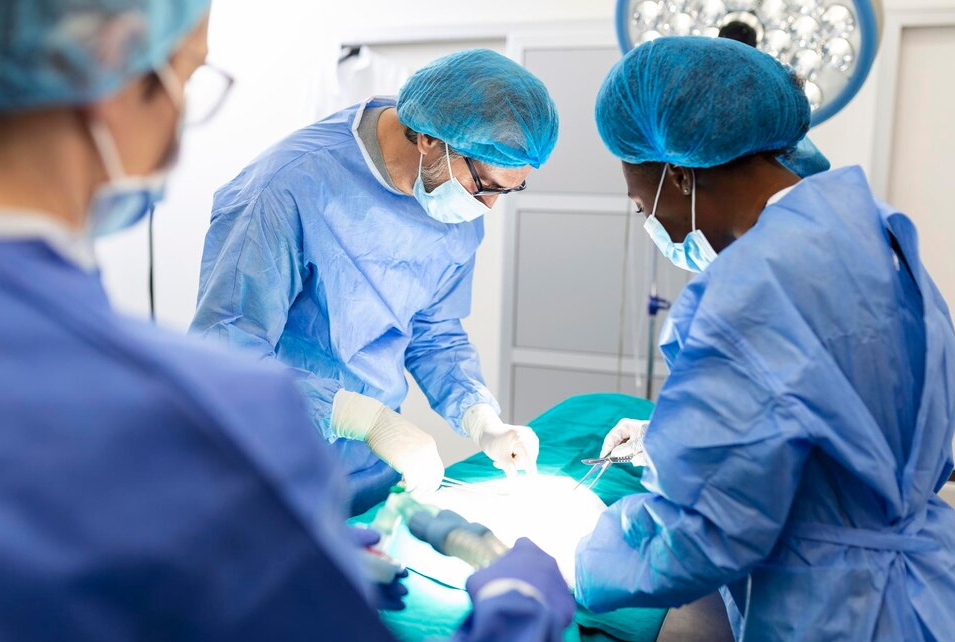
When your orthopaedic surgeon suggests a Minimally invasive robotic Hip resurfacing procedure, the initial step involves capturing highly precise CT scan images of your hip joint. These images play a pivotal role in meticulously planning your surgery. They account for factors such as your bone structure, hip joint alignment, and the surrounding tissues. Armed with this information, your surgeon can plan every aspect of the surgery, from selecting the most suitable implant size to determining its location and positioning. During the Mako hip replacement, your surgeon will use tracking pins on your knee and hip to assist the robot in visualizing your anatomy. The Mako arm then adjusts itself according to these measurements, and your surgeon utilizes the robotic tool throughout the procedure. It’s essential to note that the robot doesn’t perform the surgery itself; rather, it acts as a guide, ensuring more precise incisions, optimal positioning, and, in many cases, a quicker and smoother recovery. Post-surgery, your surgeon and care team will closely monitor your progress, alleviate discomfort, and guide you through your at-home recovery.
Why Does It Happen?
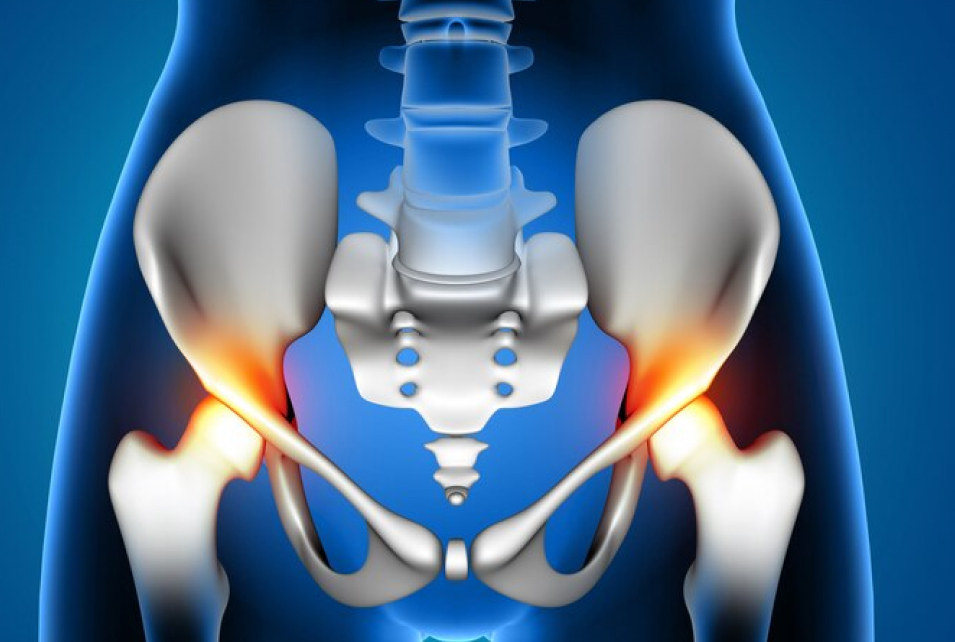
Hip replacement surgery is typically recommended to address severe pain resulting from conditions like osteoarthritis. Tasks as simple as walking or sitting and rising from chairs can become arduous for individuals in need of hip replacement surgery.
Recovery Rate
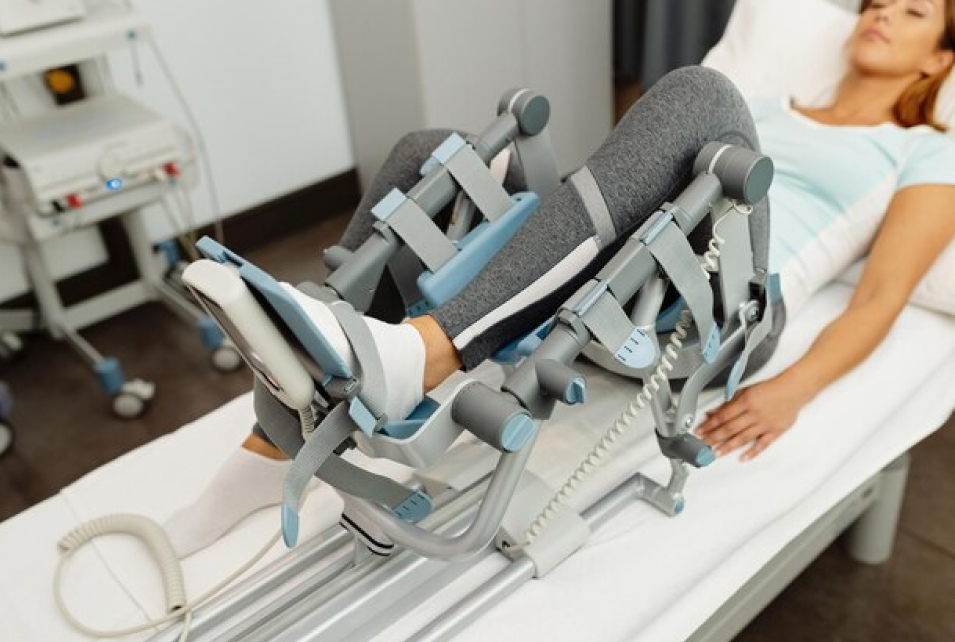
Minimally invasive robotic Hip resurfacing procedure, with its precision incisions and optimized joint alignment, may lead to a swifter and more effective recovery. Following your surgery, your surgeon and care team will continue to monitor your progress, alleviate discomfort, and chart a path for your recovery at home.
Causes
Hip replacement surgery is usually required when the hip joint deteriorates to a point where mobility is restricted, leading to persistent pain, even while at rest.
Why Choose careorthopaedics for Robotic Hip Replacement Treatment
Careorthopaedics Hospital boasts state-of-the-art technology for performing joint replacement surgeries, including the Minimally invasive robotic Hip resurfacing procedure technology. Patients experience less post-operative pain, reduced hospital stays, the ability to walk early, and a quicker recovery.
Disorders causing abnormal bone growth (bone dysplasias)
Diagnosis
Medical evaluation, blood tests, electrocardiogram, stress tests, hip joint X-rays, chest X-rays, and urine samples are standard diagnostic tests. These tests determine your readiness for surgery and uncover any underlying conditions that may require special attention before proceeding.
Risks & Complications
During the surgery As with any surgical procedure, robotic-assisted systems come with increased risks of nerve damage, infection, elevated blood loss, and extended surgical time for both knee and hip replacement surgeries.
Benefits of Robotic Hip Replacement vs. Conventional Hip Replacement
Enhanced Surgical Planning: Specialized 3-D CT scan images are used for precise planning of the ideal type and placement of the replacement joint, ensuring the right size and fit.
Greater Precision: Robotic technologies enhance the surgeon's precision in planning, tissue removal, and implant placement. This results in faster recovery, fewer complications, and a reduced likelihood of revision surgery.
Optimal Joint Alignment: Robotic technology aids in better aligning and positioning the knee implant, resulting in a more natural-feeling joint replacement, reduced friction, and less wear on the new joint.
When to Consult a Doctor?
Seek advice from your orthopedician when you experience:
Hip joint pain
Difficulty walking, climbing stairs
Challenges in everyday activities like sitting cross-legged and squatting
Pain or disability unresponsive to conservative treatments
Age-related degenerative osteoarthritis (OA)
Post-traumatic arthritis
Rheumatoid arthritis (a chronic, progressive autoimmune disease)
Avascular necrosis (AVN) (interrupted or reduced blood flow to the hip bone)
Hip dysplasia (when the acetabulum is too shallow to support the femoral head)